Add Nutrition to Your Diet with Seafood Instead of Red Meat
July 22nd, 2026How Swapping Meat for Seafood Can Boost Your Health and Well-being
It’s easy to get stuck in a mealtime rut, continuously turning towards the same ingredients and recipes. However, with some minor adjustments, changing your diet can greatly impact overall health and well-being.
Swapping meat for seafood 1-2 times a week is an easy place to start and adds flavor and nutrition to your diet. Red meat has long been a staple in many diets, but with the potential health benefits that seafood may provides, it is a great nutritious alternative to red meat.
Benefits of Fish Vs. Red Meat
Is seafood healthier than red meat? Finding the right balance between other protein choices and seafood can improve your overall diet and widen your nutrient intake.
Fish and other types of seafood contain essential vitamins and minerals, including omega-3 fatty acids, which are known to support heart health, brain function and may have anti-inflammatory properties. Seafood also has n-3 polyunsaturated fatty acids, which are beneficial in reducing the risk of cardiovascular disease when consumed 1 to 2 times per week.
"Seafood generally contains much less saturated fat than red meat," adds registered dietician Jacqueline Gomes, RD, MBA. Gomes says that a 6 oz. serving of beef can contain between 7 to 14 grams of saturated fat, whereas a 6 oz. portion of sockeye or coho salmon contain 1 to 2 grams of saturated fat. "Since higher saturated fat intake raises LDL cholesterol, a major risk factor for heart disease, choosing seafood more often is an easy, heart-happy swap," she explains.
Those looking to maintain a healthy weight or lose weight can benefit from the low-fat diet seafood provides. Wild salmon can even help reduce insulin resistance and may give your metabolism a boost. Red meat, on the other hand, is typically high in saturated fats and omega-6 fatty acids, an excess of which may contribute to increased risk of heart disease and obesity.
Reasons to Swap Red Meat for Seafood
When it comes to red meat vs. fish, the reasons to swap red meat for seafood are abundant, including the large variety of fish choices and the unique health benefits of each. Swapping 1 to 2 times a week is recommended with some differentiation in the guidelines for pregnant women and young children.
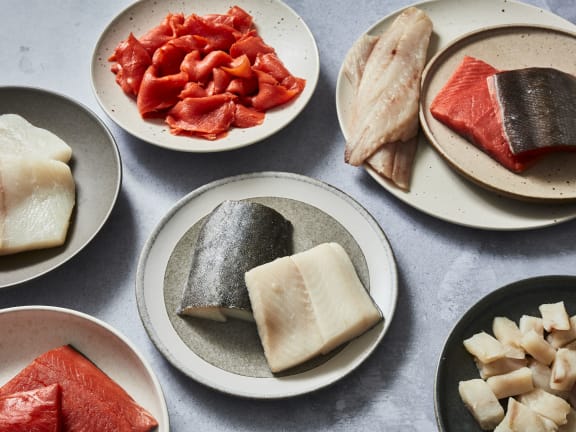
Pacific halibut and rockfish contain over 100% of the daily requirements of selenium, an essential antioxidant. Eating sockeye salmon will deliver 100% of your daily vitamin D needs, which may help to support mood and your immune system.
|
3 oz cooked serving |
|||
|
Calories |
230 kcal |
94.4 kcal |
133 kcal |
|
Protein |
21.1g |
19.1g |
22.5g |
|
Total Fat |
16.2g |
1.37g |
4.73g |
How to Replace Red Meat with Seafood in Recipes
If you're wondering how to replace red meat in your favorite recipes, it's easy. In recipes that call for steak or pork, you can try using red meat alternatives like sockeye salmon, seared Pacific halibut, or spot prawns instead.
Recipe Swaps
-
Swap steak for Pacific Halibut Steak with Creamy Peppercorn Sauce — an Alaskan take on Steak au Poivre. Easy to make, yet perfect for celebrating a special occasion.
-
Swap ground beef for Ground Sockeye Salmon Sloppy Joes — a new spin on classic comfort food. Make extra so that you’ll have heart healthy sandwiches to bring for lunch the next day.
-
Swap spaghetti and meatballs for Garlicky Spot Prawn Pasta with Lemon and Herbs — a simple way to add big, bright and bold flavors. A quick weeknight dish full of flavor, but light and healthy.
Get Involved
-
Engage the whole family in finding a recipe and try cooking together.
-
Keep a notepad in the kitchen to document what seafood you like, how you cooked it, and what you want to try next time.
-
Take photos during cooking and assemble a scrapbook cookbook for healthy home-cooked meals.
-
Most of all, have fun, and don’t get discouraged if the test kitchen fails — note it and try again.
With the many options available, replacing red meat and enjoying all the perks of seafood is easy, and can have lasting positive effects on overall mood. Swap meat for seafood today to experience the incredible benefits it can bring to your health and well-being.