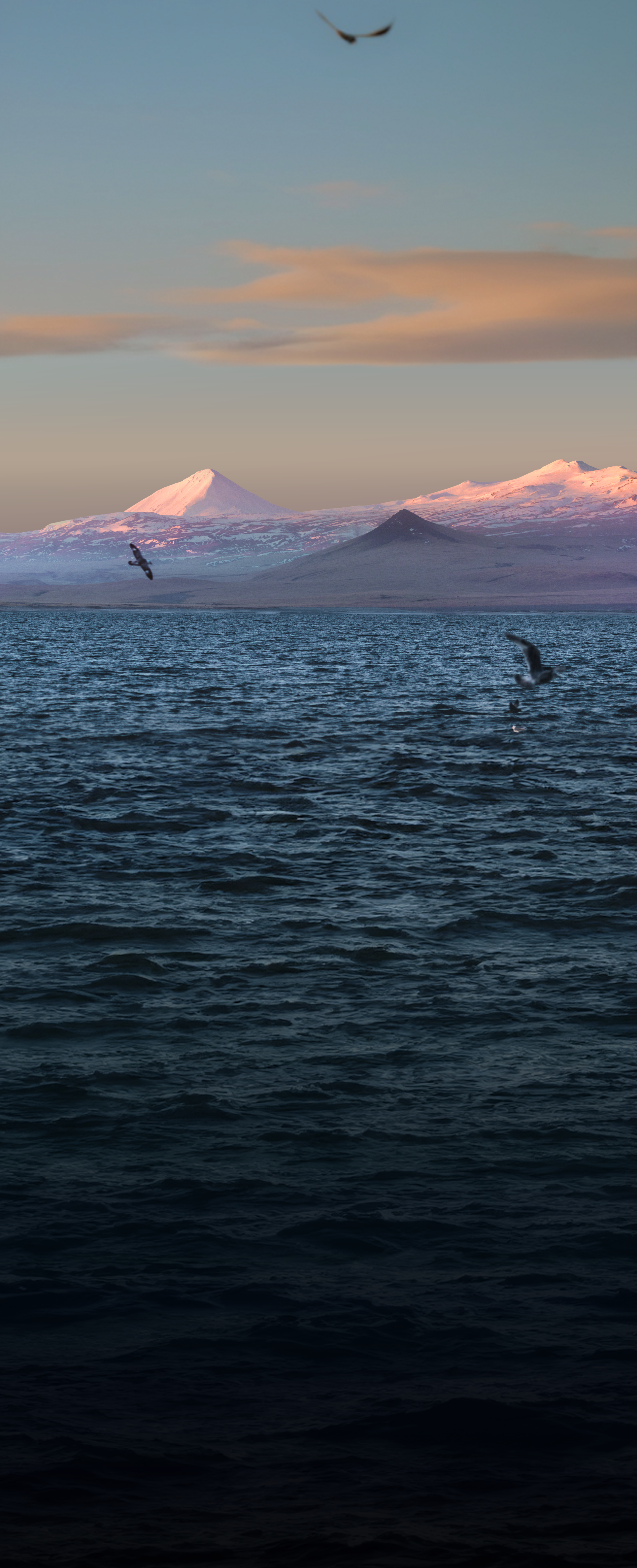

Alaska is one of the last places on Earth where wild fish still thrive.
Millions of years Made this fish.
We are not here to disrupt it.
Wild fish are part of a stunningly complex ecosystem that has nourished life for millennia. It isn’t just food — it’s a connection to something greater.
And yet, many modern-day food systems leave us feeling detached from the source. We’ve forgotten the tides, seasons, and ecosystems behind each meal.
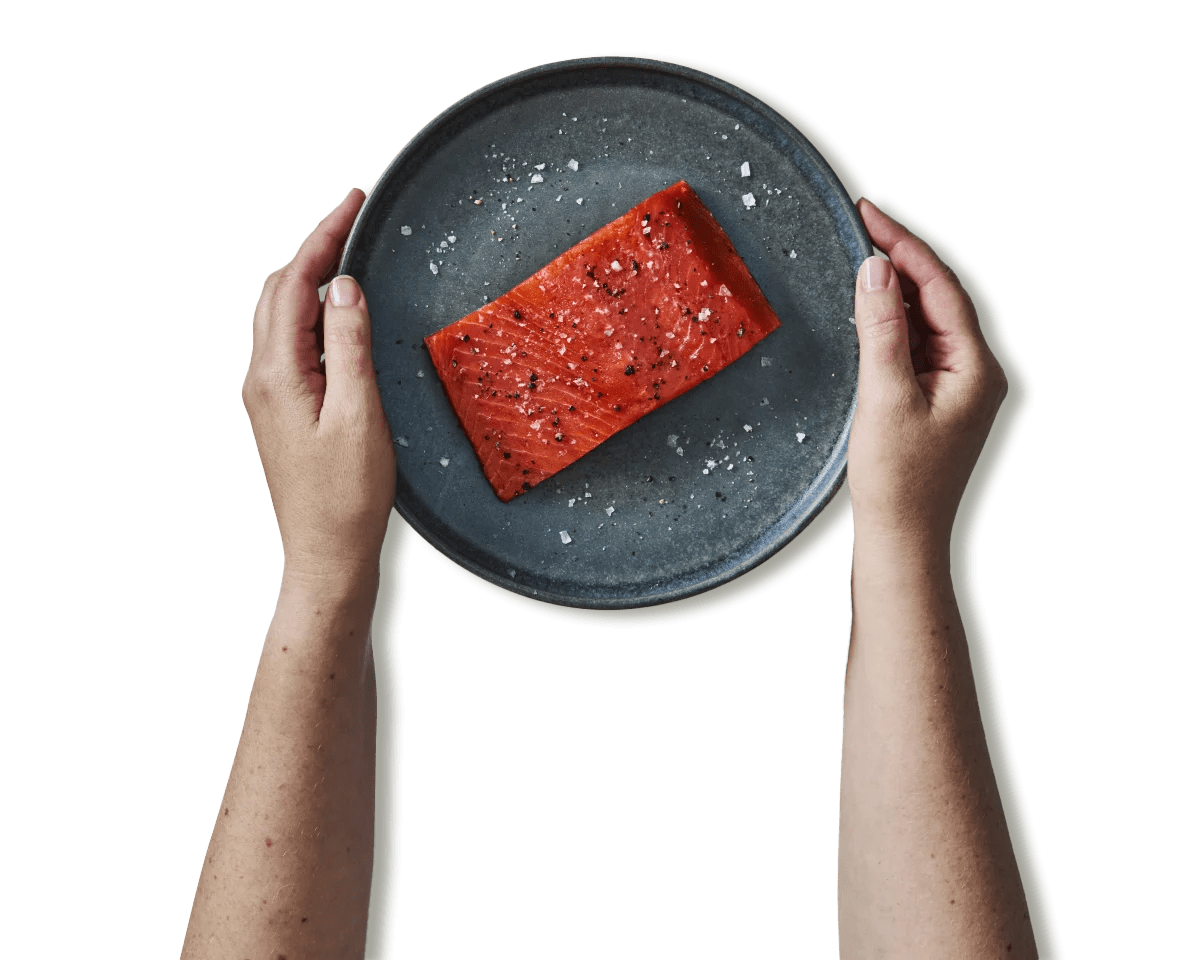
For generations, the cultural tradition of fishing and stewardship have preserved community, fish populations, pristine waters and the vibrant web of wild flora and fauna to flourish.
By choosing wild seafood, you are bringing that deeply rooted legacy of stewardship to your own table.
( 01 )
Nutrition
A nourishing, time-honored food source.
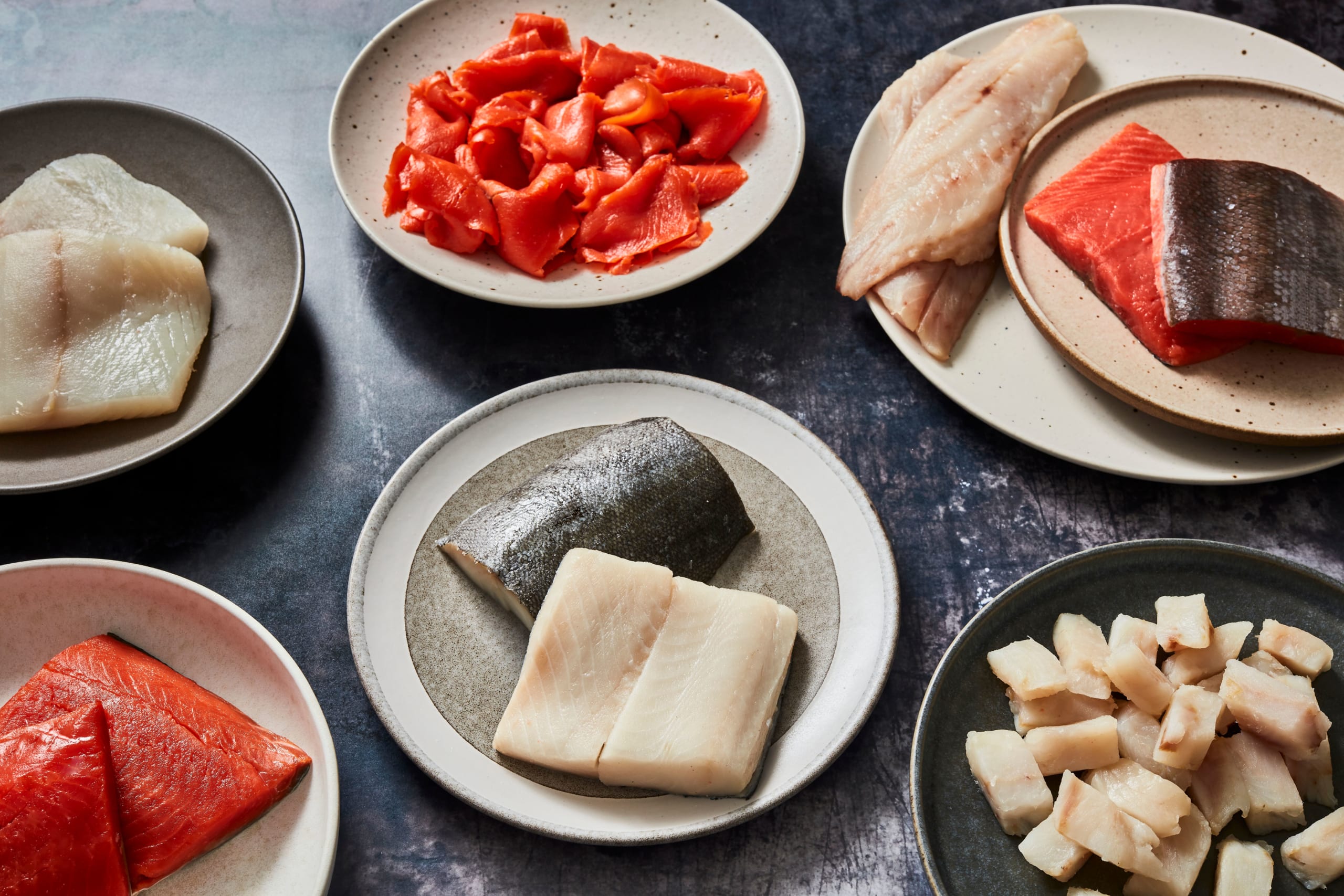
By feeding on natural prey, wild species accumulate a full spectrum of nutrients: omega-3 fatty acids, vitamins, and minerals.
Nutrition is earned through a life lived in the wild. No additives, no engineered feed, no synthetic dyes.
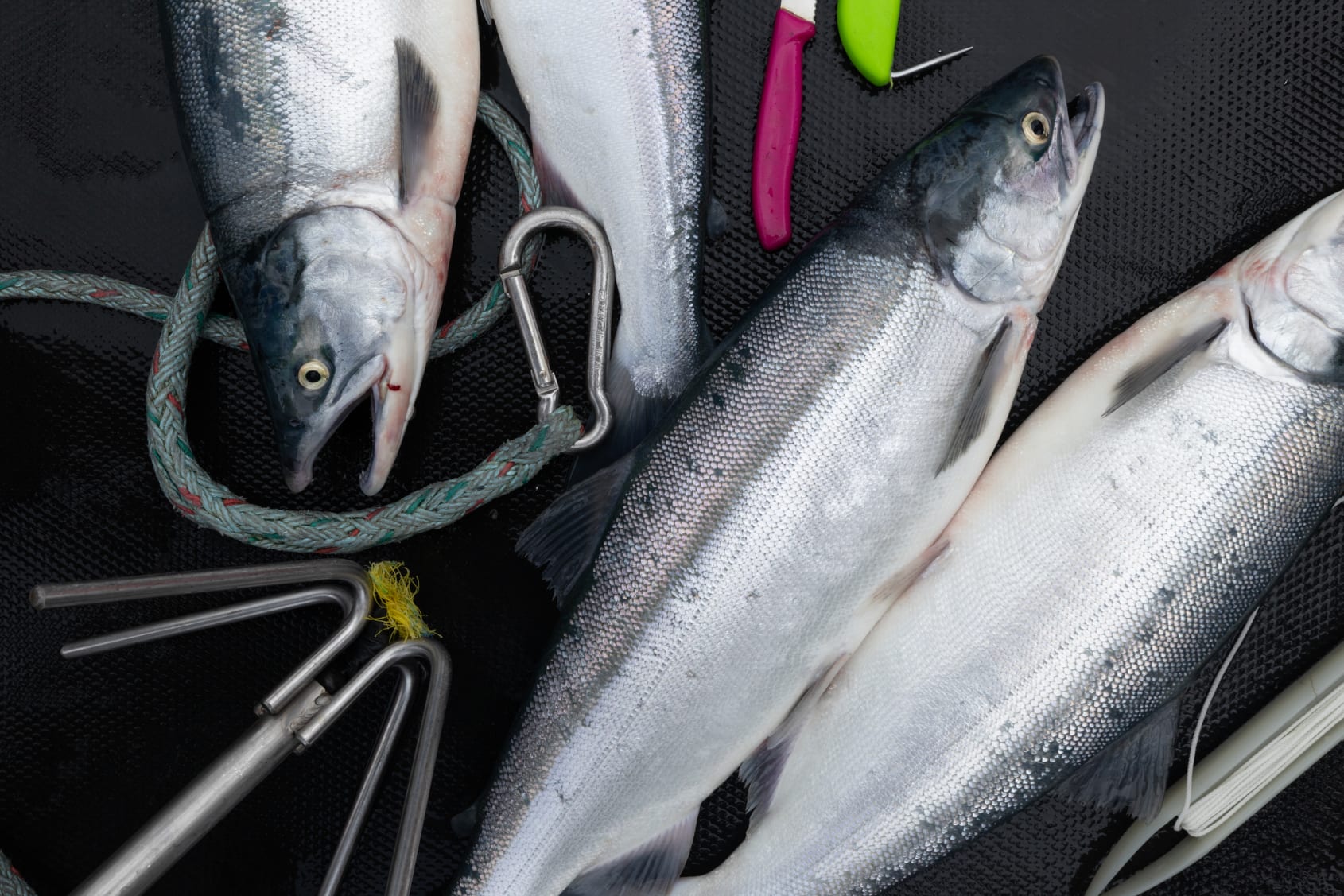
Wild seafood has a depth of character that can't be engineered or replicated — the product of millions of years of natural evolution.
Think of each species through a winemaker’s lens of terroir. A wine’s flavor and aroma depend on its terroir — its origin. The soil, the water, and even the air impart nuance on each harvest. Wild seafood is similar. Each fishery, each season leaves its mark on the fish, influencing its nutritional profile, its color, its taste and texture.
Explore the diversity of Alaska seafoodFarmed seafood attempts to replicate the natural nutrient density of wild fish through artificial feed, antibiotics and chemical additives.
Read about Wild vs Farmed Salmon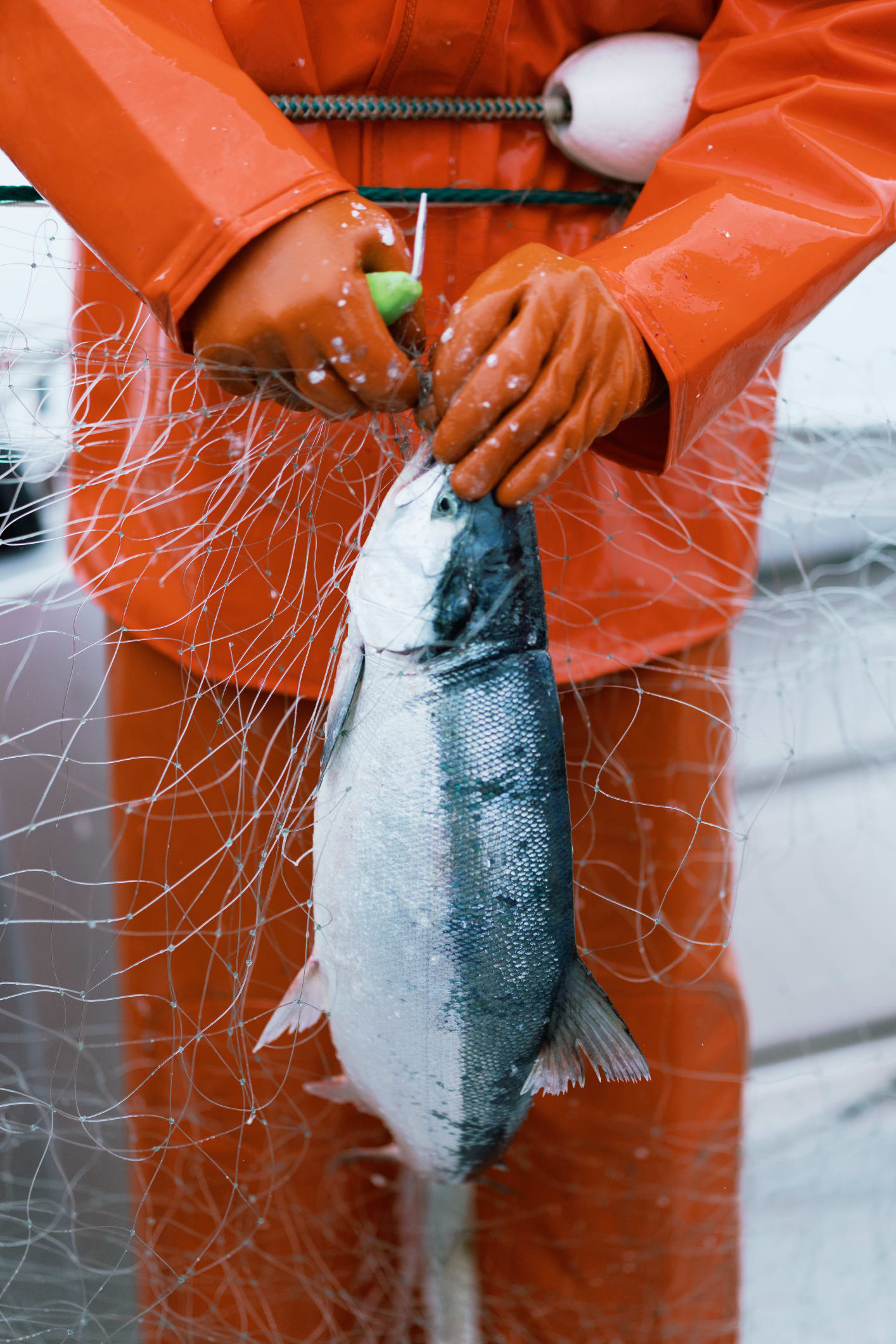
( 02 )
Sustainability
Living and fishing, in rhythm with the planet

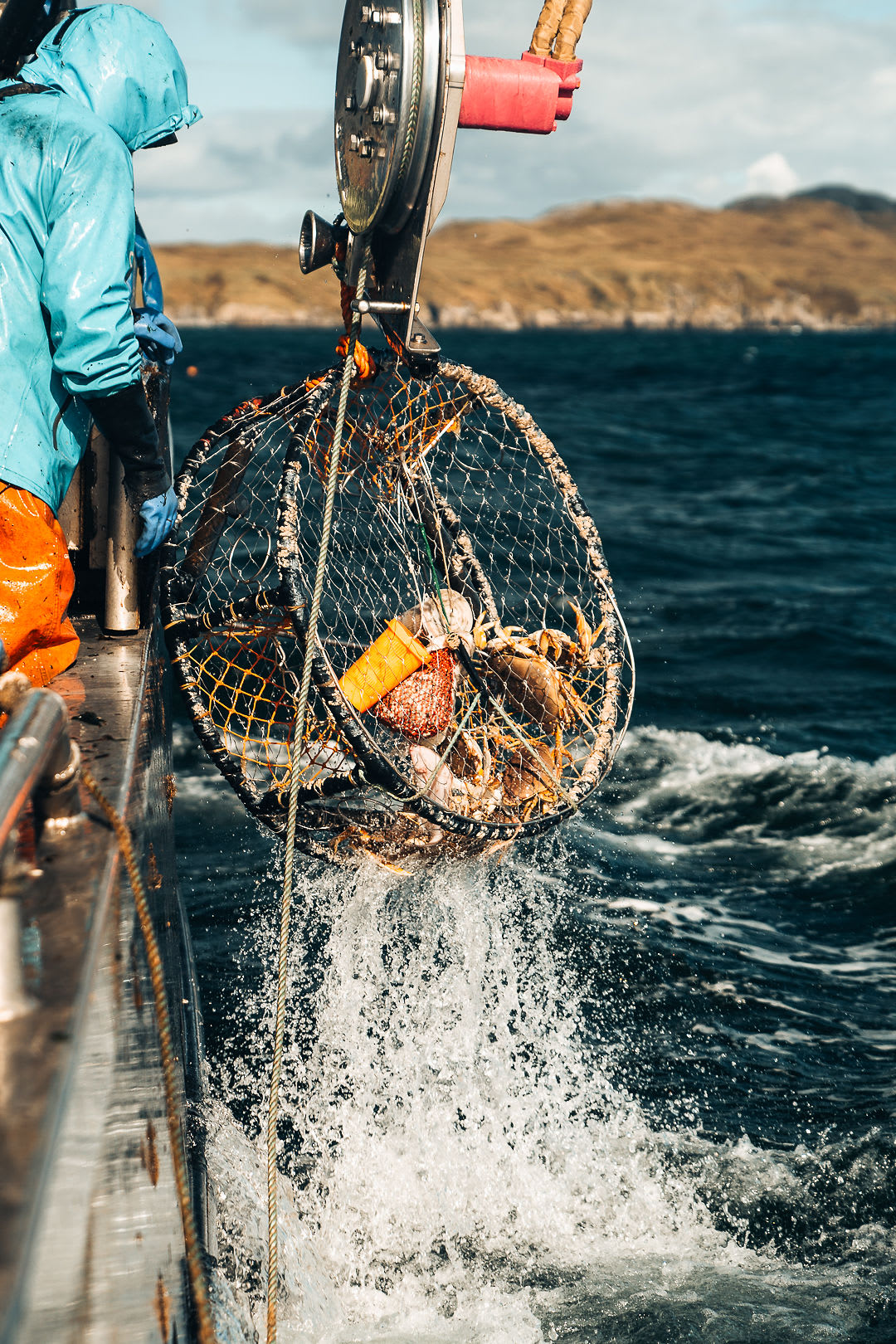
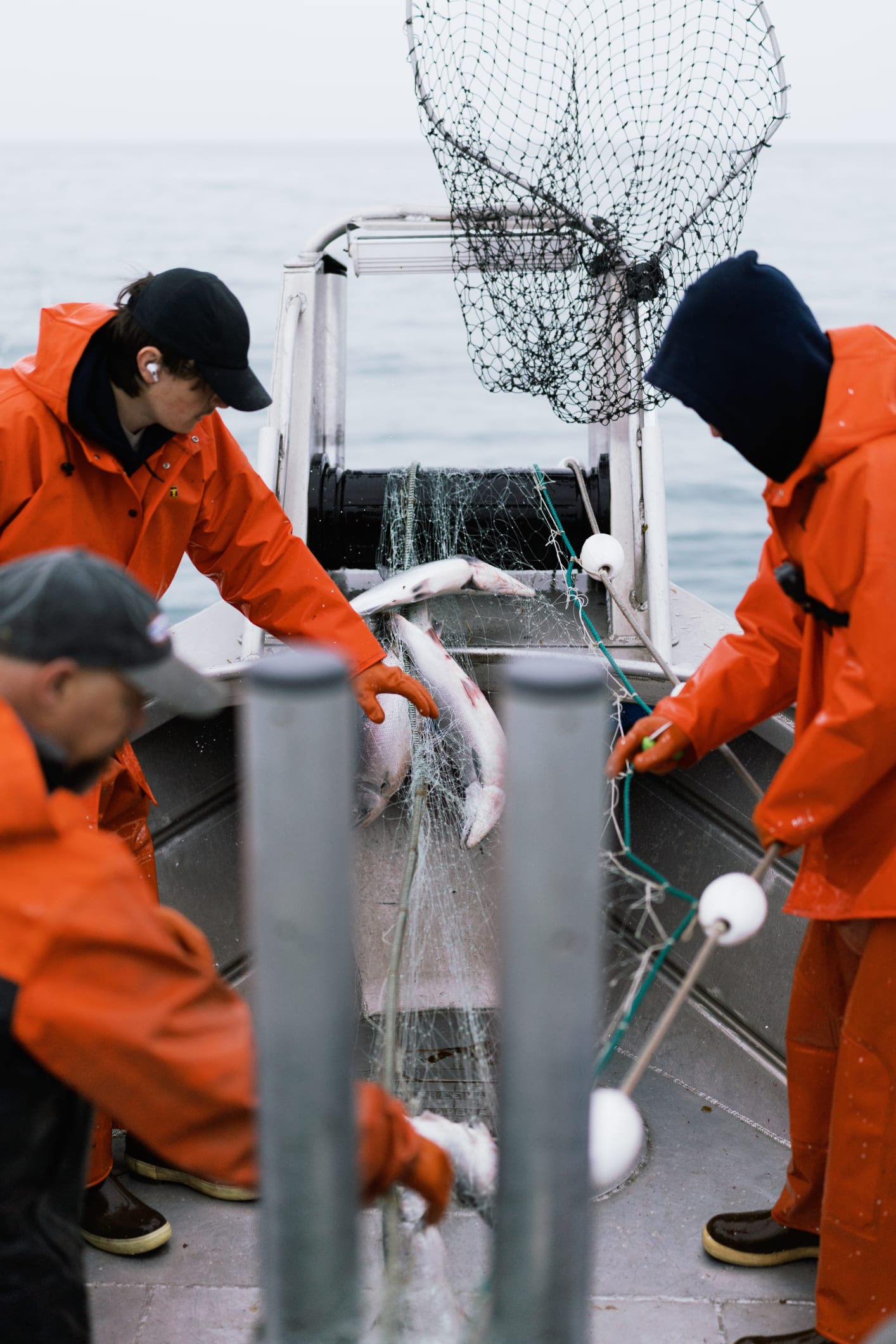
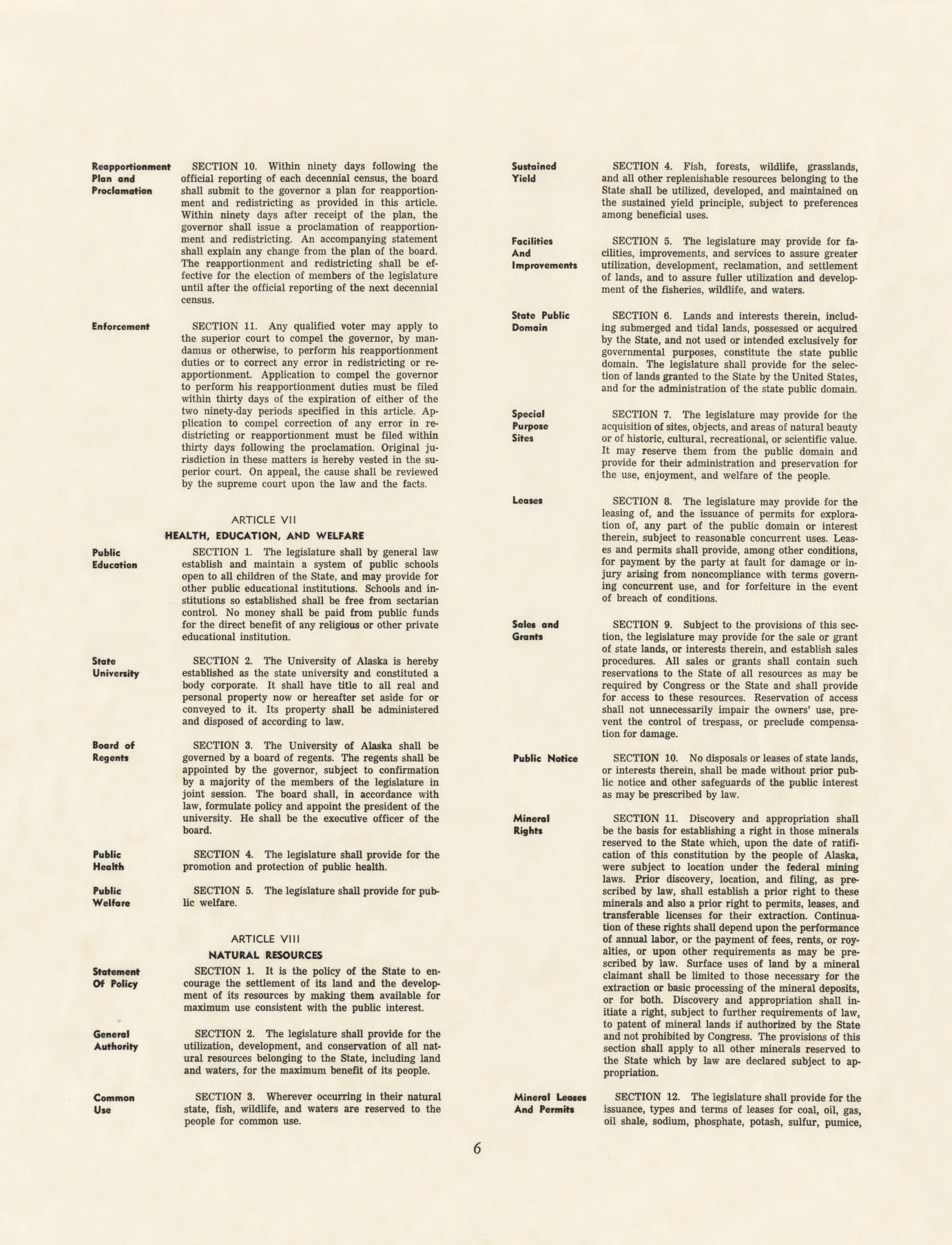
In Alaska, fishing is more than an industry — it’s life. For generations, coastal communities have lived in rhythm with the seasons, relying on oceans and fish populations to sustain their families and culture. This respect for a natural resource runs so deep it’s written into Alaska’s state constitution.
Wild seafood from Alaska is harvested as part of a supply-driven food system — one guided by what nature can provide, not what the market demands.
Choose with nature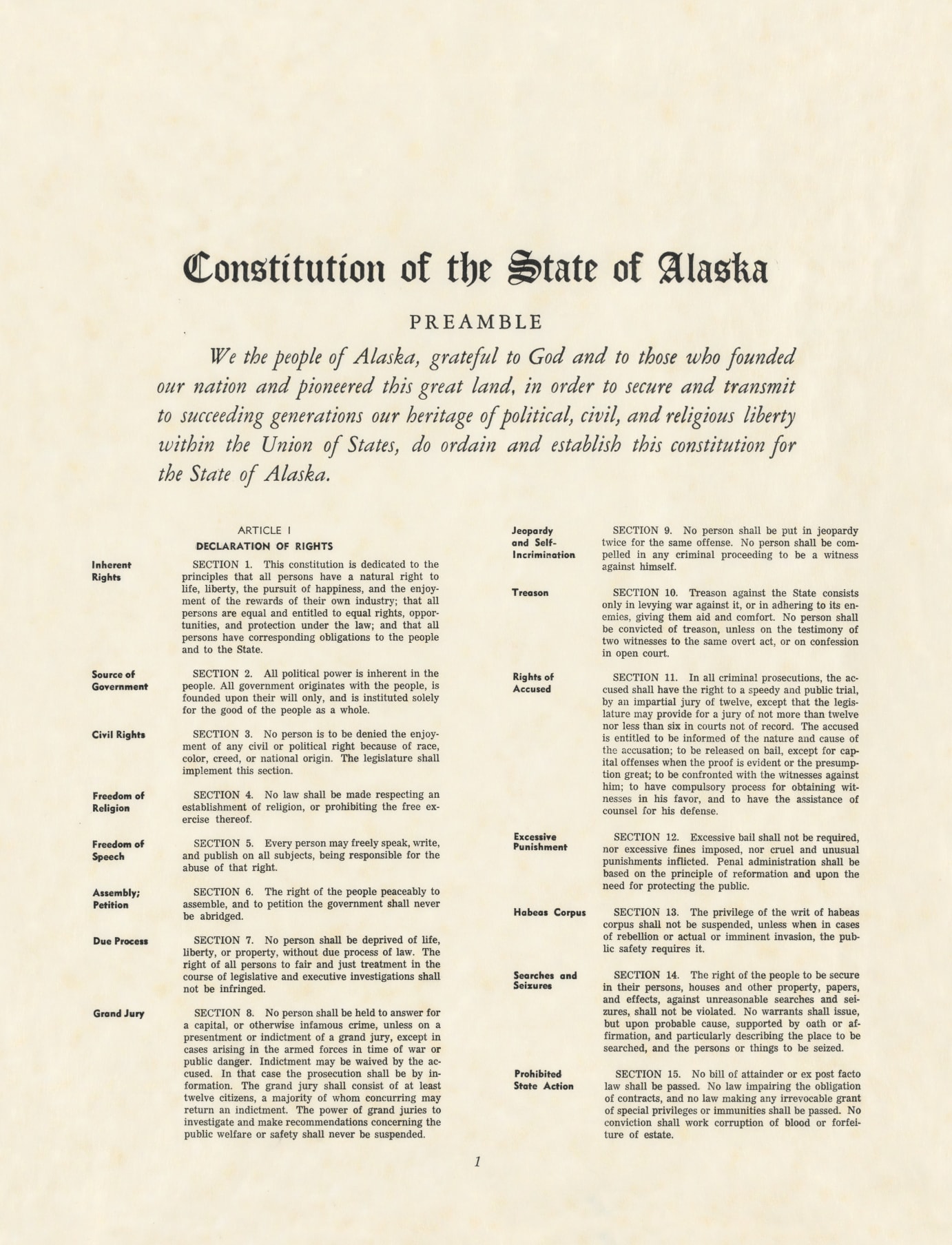
Preamble and Article I (Declaration of Rights) of Alaska’s founding document
Page 1 of 2
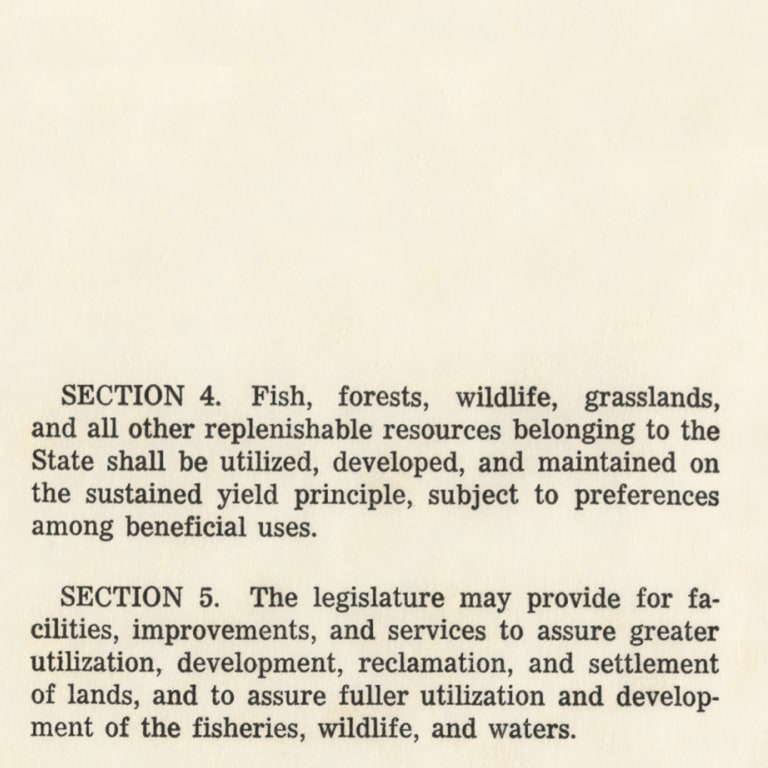
This supply-driven ethos is written into Alaska's state constitution, which mandates that wild fisheries operate on the sustained yield principle — ensuring that what we take today doesn't compromise what future generations will depend on.
Wild Alaskan Company builds on that foundation, continually raising the bar through innovation and a commitment to quality at scale.
Our MissionTo further ensure long-term sustainability of the ecosystem, Alaska became the first state to permanently ban finfish farming in state waters
Industrial aquaculture systems, like open net-pen salmon farms, operate on a different logic entirely — designed for industrial production and volume.
These industrial operations have a life cycle that can produce high concentrations of pollution, disease, and waste, putting wild species and ecosystems at risk.
A system built to produce as much as possible, out of rhythm with the natural world, will always struggle to honor its complexity. That’s one of many reasons why Alaska has outlawed the farming of salmon and other finfish in its waters.
( 03 )
Ethos
A life rooted in reverence & respect.
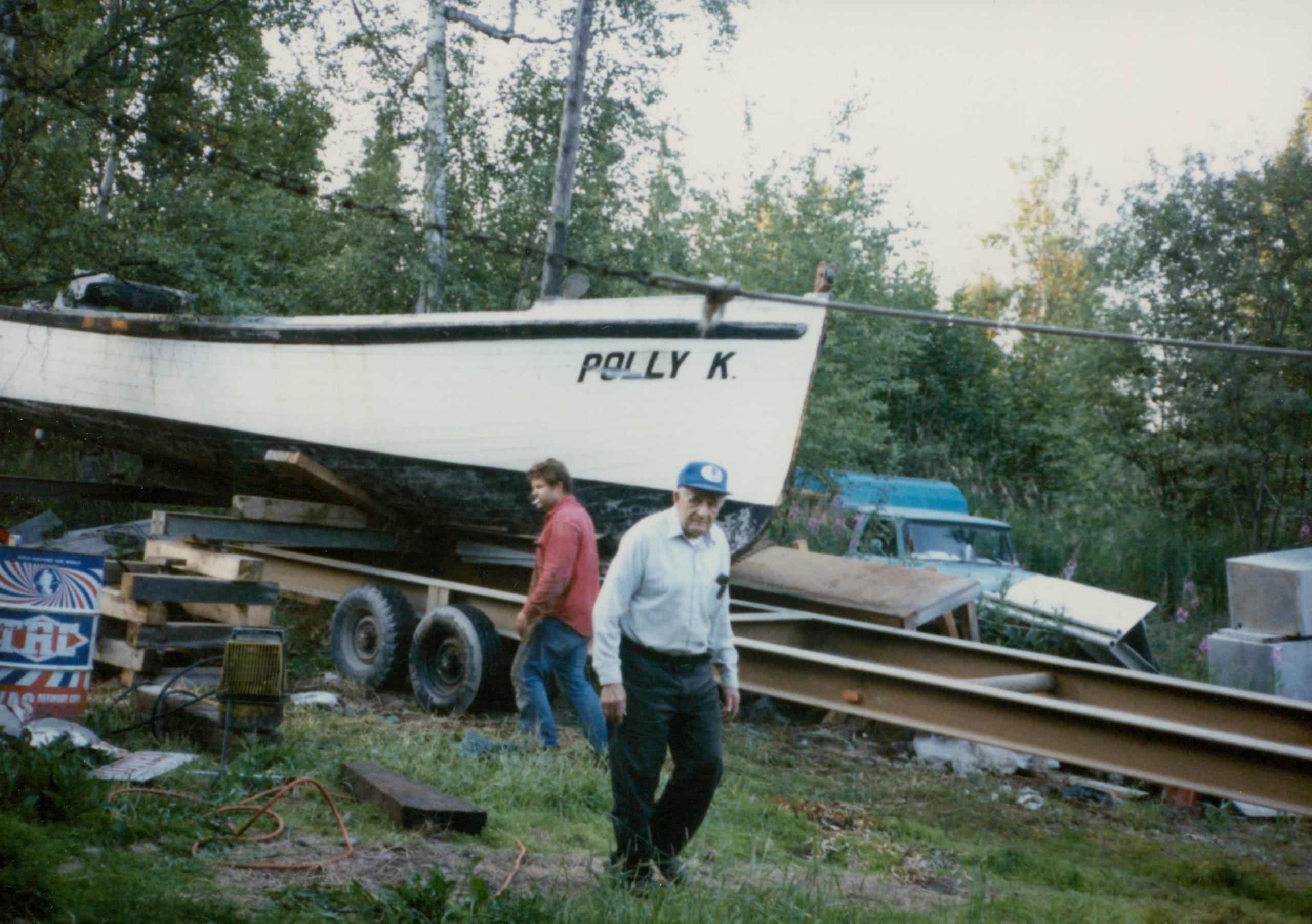
Robert C. Kallenberg (center), with his wooden fishing boat, the Polly K.
In many places, food systems have become industrialized and disconnected from people and place. But in Alaska, wild fisheries are not just a source of food. They’re a keystone of cultural continuity, of coastal and in-river communities, and of family identity.
Enjoy the Full video (opens in a new tab)
Enjoy theFull video
Melanie Brown on continuing her family’s legacy of set netting in Bristol Bay
Alaskan wild seafood is part of an ancient, living system — one that teaches us to respect the natural cycles that sustain it.
That understanding shapes everything from Indigenous traditions to modern stewardship, informing how we think about what it means to harvest responsibly.
When we try to replicate that system artificially, we risk reducing seafood to just another commodity — something to produce, rather than something to respect.
But we’re not here to disrupt nature. We’re here to live in concert with it.
Choose Wild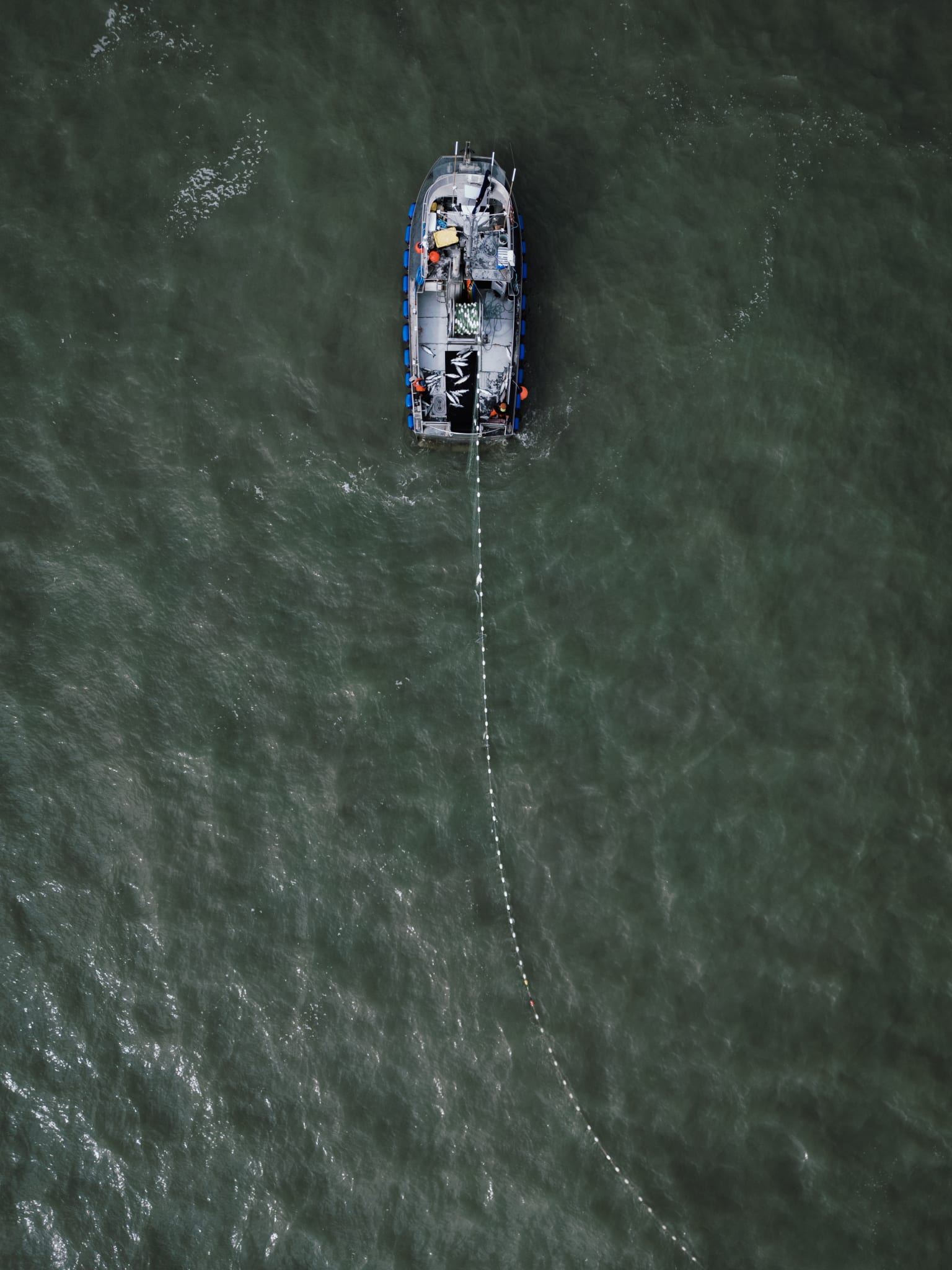
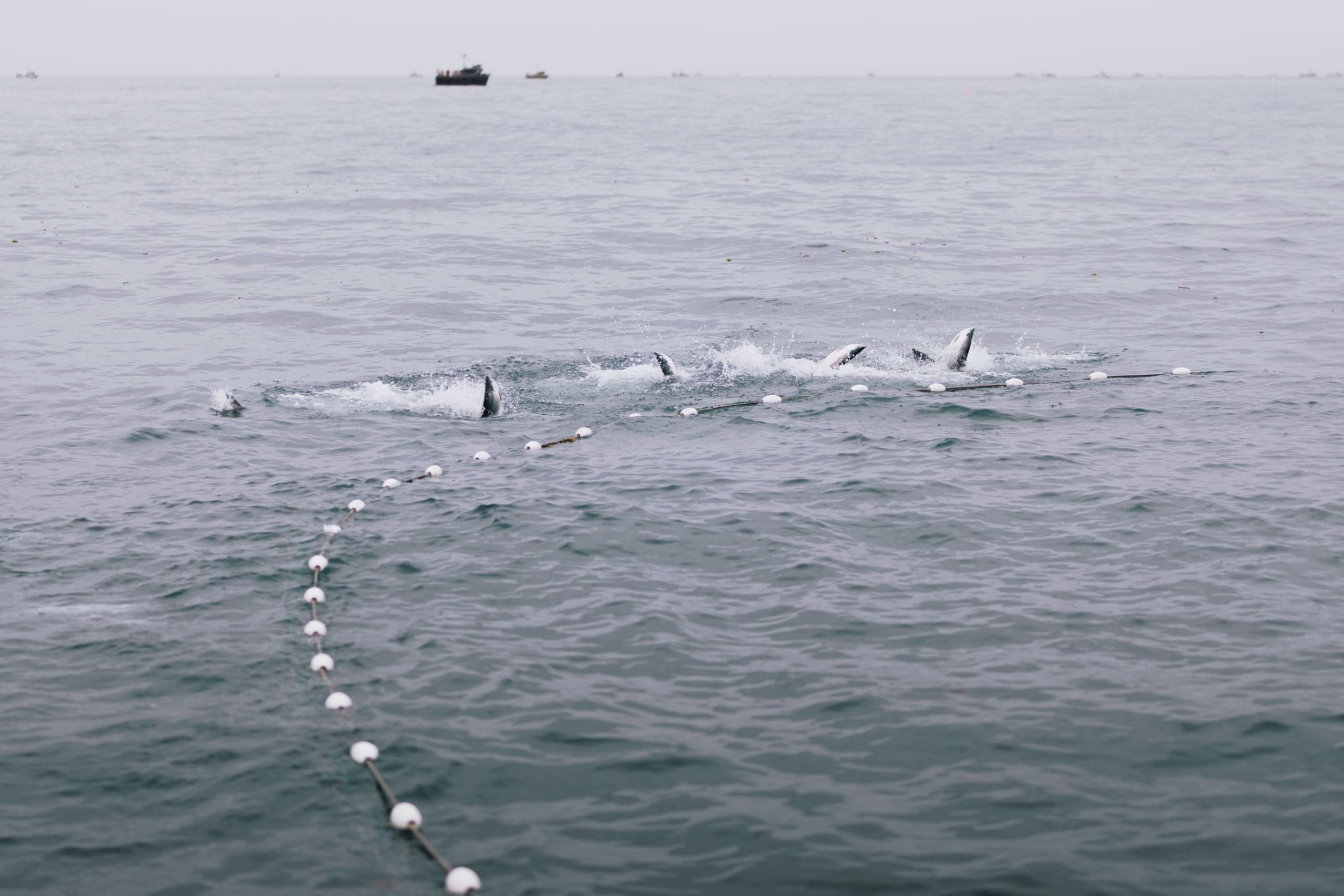
The Disconnect
The seafood on most American plates tells a story of disconnection.
Nearly 80% of the seafood consumed in the United States is imported
— a significant portion from farms with unsustainable practices.
Get Wild-caught from AlaskaAn increasingly complex global seafood production system disconnects you from your food — from the people who harvest it, the ecosystems that sustain it, and the story that gives it meaning.
The result is that a majority of seafood available in the U.S. is low-quality, mislabeled, or unsustainably sourced.
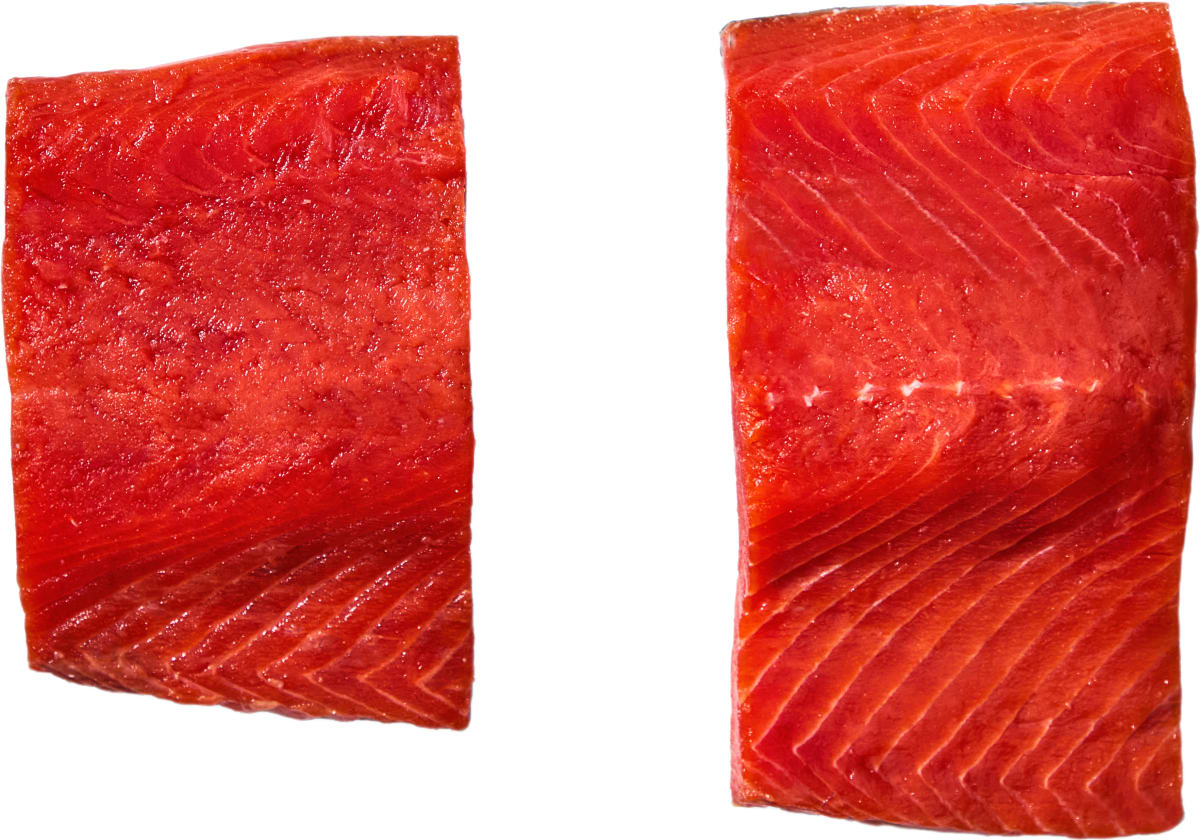
But, Alaska is the single-largest domestic source of seafood. However it is only a minority of seafood consumption in the US.
As of today, Alaska exports three-quarters of its sustainably-harvested seafood outside of the country to meet demands abroad.
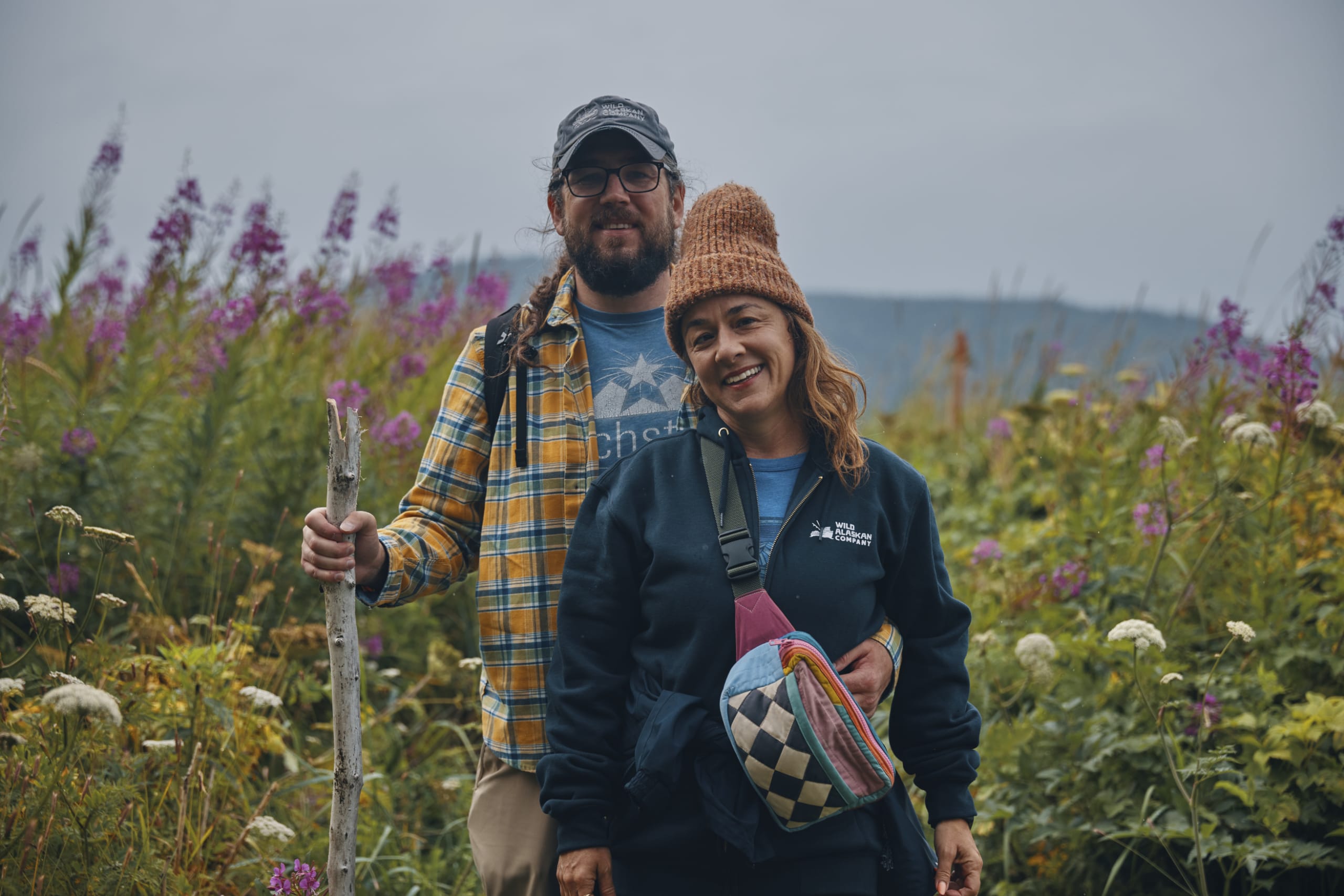
We’re inviting America to eat wild
America has access to high quality, sustainable seafood in its very own backyard, Alaska — and we should be eating more of it.
The more you know about where your seafood comes from, the easier it is to choose wild. A few things worth knowing.
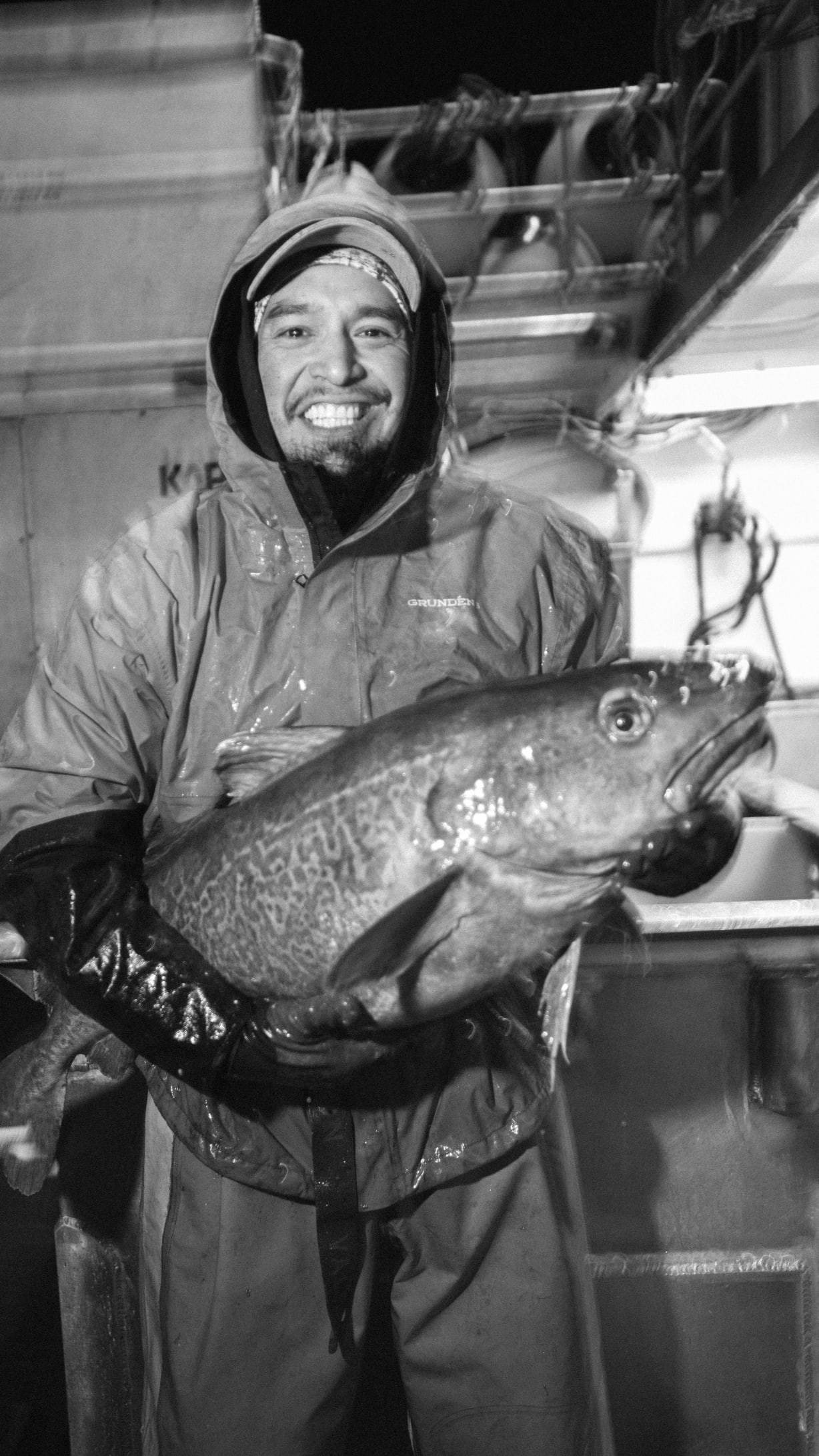
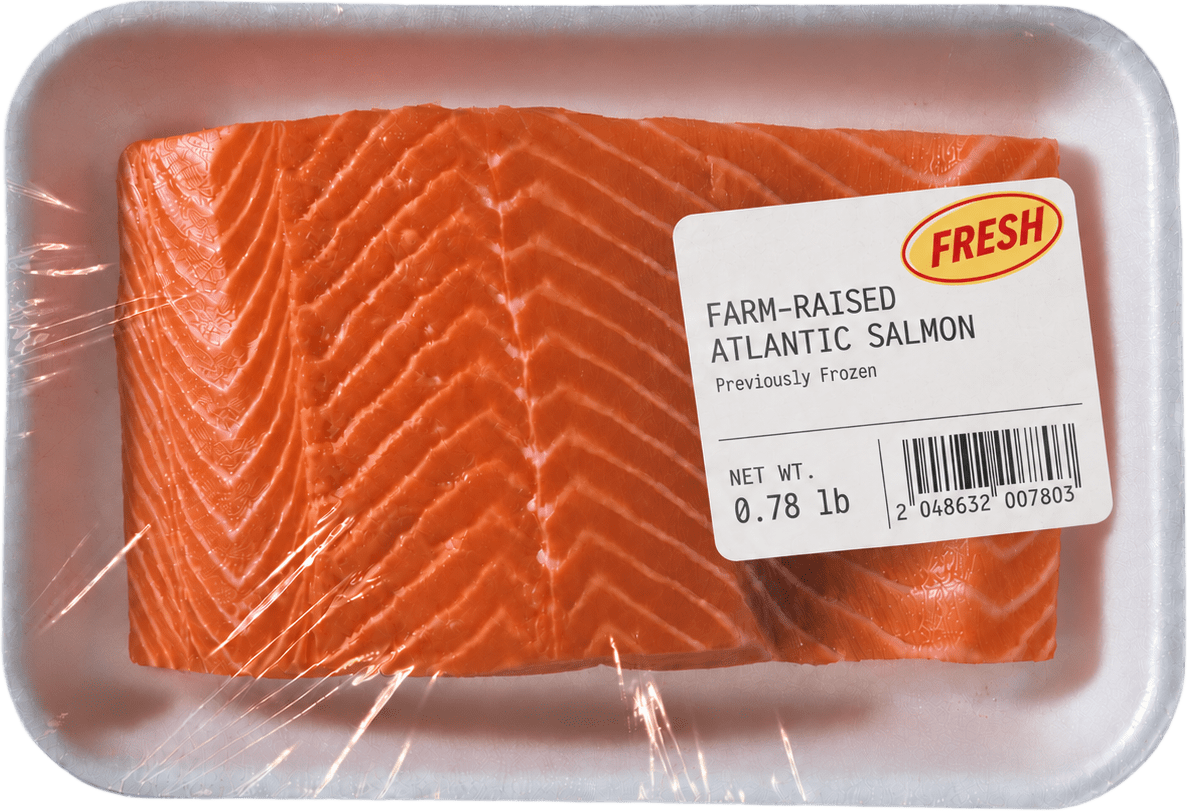
When you see 'Atlantic salmon' at a store or restaurant, it's almost certainly farmed. Wild Atlantic salmon populations on both sides of the Atlantic have declined significantly, following years of habitat destruction, interference from salmon farms, and overfishing — which is why commercial harvest of wild Atlantic salmon is effectively off the table.
Pacific salmon from Alaska is a different story. Wild sockeye, coho, king, and others live their full lives in open water, eating a wild diet, in some of the healthiest and most carefully managed fisheries on Earth. The difference in flavor, nutrition, and environmental impact is significant.
You tell us — we love cod for its mild, clean flavor, rockfish for its firm, crisp texture, and halibut and pollock for their versatility in the kitchen. The best way to find your favorite is to try them all. Every species in our box is sourced from sustainable Alaskan fisheries.
While finfish farming is banned in Alaska, shellfish and kelp farms are legal.
Not all aquaculture is created equal. Farmed bivalves — oysters, mussels, clams — and seaweeds are a different story from industrial finfish farming. These species are filter feeders that require no external feed, no antibiotics, and no synthetic inputs. They draw their nutrition directly from the surrounding water, the same way wild fish do.
Done well, bivalve aquaculture can actually improve the health of surrounding ecosystems — filtering water, providing habitat, and supporting biodiversity.
No — and there’s a good reason for this. Where organic products are certified because their environments can be managed, wild seafood is not certified because its environment cannot be controlled — and that’s exactly the point. Organic certification applies only to foods grown or raised in controlled environments, where every input can be monitored: the soil, the feed, the handling, the processing. Wild foods, by definition, don’t fit that model.
That said, there are meaningful similarities. Wild Alaskan seafood contains no added hormones, no antibiotics, no GMOs, and no artificial colors, preservatives, or flavorings.
Seafood is frequently caught in one country, processed in another, and sold in a third. The longer and more complex the supply chain, the greater the risk of mislabeling, quality loss, and sustainability gaps. At Wild Alaskan Company, every product is processed domestically — in Alaska or facilities in the Pacific Northwest — so the chain stays efficient and the story stays clear.
Unless you live dockside, the freshest seafood available to you is almost certainly frozen — properly, at peak freshness, close to the moment of harvest. What’s labeled “fresh” at a grocery store counter has typically been previously frozen and thawed for display. Properly frozen seafood retains its full nutritional profile, flavor, and texture. Improperly handled “fresh” seafood does not.
Nearly all seafood contains trace amounts of mercury. However, factors such as size, species, and environment all can influence how much mercury each fish contains.
In Alaska’s pristine marine ecosystems, many wild-caught species are known for having particularly low mercury levels compared with larger, longer-lived fish. Because of this, health authorities around the world generally encourage regular consumption of these lower-mercury seafood options as part of a balanced diet.
As always, if you have specific health concerns, your healthcare provider can offer personalized guidance — but for most people, wild-caught seafood remains a health-supportive choice.
Eat Alaskan Seafood