Wild Salmon vs. Farmed Salmon: Nutrition and Health Differences
July 24th, 2026Is Wild Salmon Healthier Than Farmed Salmon?
Wild salmon and farmed salmon are both nutritious sources of protein and omega-3 fatty acids, but they differ in how they are raised, what they eat, and their nutritional profiles. In general, wild salmon is leaner and tends to have a more favorable omega-3-to-omega-6 ratio. Farmed salmon is typically higher in total fat, and its nutritional profile varies based on its feed.
Wild salmon also gets its naturally pink or red color from eating krill, shrimp, and other crustaceans containing astaxanthin. Farmed salmon receives astaxanthin through its feed to produce its characteristic color.
So, is wild salmon healthier than farmed salmon? Both can be part of a healthy diet, but consumers who prioritize a naturally occurring diet, a leaner nutritional profile, and wild-caught sourcing may prefer wild salmon.
Here’s how wild and farmed salmon compare in nutrition, omega-3s, color, contaminants, and more.
Wild vs. Farmed Salmon: Contaminants
Research has historically found higher levels of certain persistent organic pollutants, including PCBs and dioxins, in some farmed salmon compared with wild salmon. Differences can depend on where the fish are raised and, in the case of farmed salmon, what ingredients are used in the feed since those ingredients can influence contaminant exposure.
Wild salmon obtain their nutrients from their natural diet rather than formulated aquaculture feed. This is one reason some consumers prefer wild-caught salmon when considering potential contaminant exposure.
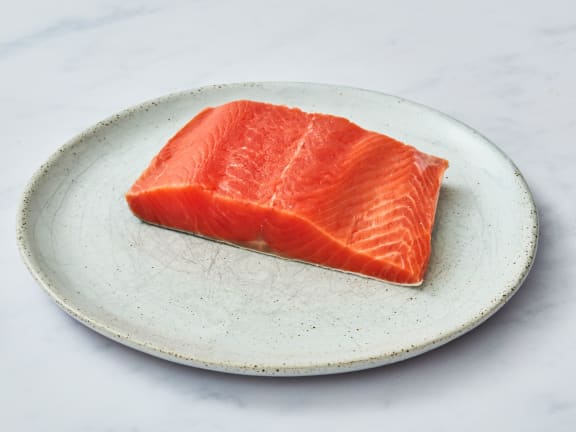
A fillet of wild sockeye salmon
What Do Wild and Farmed Salmon Eat?
One of the biggest differences between wild and farmed salmon is their diet. Because diet influences the nutrients stored in the fish, what salmon eat is one reason wild and farmed salmon can have different nutritional profiles.
Wild salmon eat a natural diet that can include krill, shrimp, other crustaceans, and small fish. The nutrients salmon obtain from this diet contribute to their naturally occurring fatty acids and characteristic pink or red color. Different species of wild salmon have nuances based on their diet and lifecycle.
By contrast, farmed salmon eat formulated feed, often derived from corn and soy products. The composition of that feed can vary by producer and can include products derived from forage fish.
Wild Salmon Gets Its Color Naturally
Wild salmon develop their vibrant pink or deep red flesh by eating shrimp, krill, and other small crustaceans rich in astaxanthin — a naturally occurring antioxidant carotenoid.
Farm-raised salmon would naturally have pale gray flesh without astaxanthin added to their feed. Astaxanthin used in aquaculture serves the purpose of recreating salmon's familiar color, but research suggests naturally occurring astaxanthin may be more readily utilized by the body than some synthetic forms.
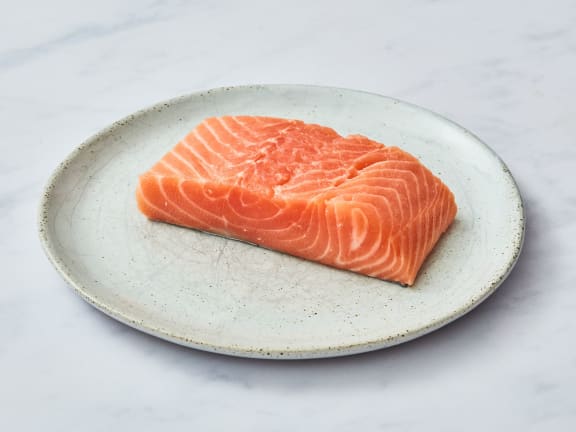
A fillet of farmed Atlantic salmon
Does Wild or Farmed Salmon Have More Omega-3?
Both wild and farmed salmon contain omega-3 fatty acids, including EPA and DHA, the long-chain fatty acids associated with heart, brain, and eye health. However, the amount can vary considerably depending on the species, feed, and farming practices.
Wild salmon naturally obtain omega-3 fatty acids through their diet, including the small fish and crustaceans they consume. Farmed salmon also provides EPA and DHA, but its fatty-acid profile is influenced by the formulation of its feed. Research has found that changes in farmed salmon feed can change the amount and type of fatty acids found in the finished fish.
Wild Salmon Has a More Favorable Omega-3 to Omega-6 Ratio
Omega-3 and omega-6 fatty acids both play important roles in a healthy diet. However, many nutrition experts recommend maintaining a balanced ratio between the two.
Because farm-raised salmon diets often include more plant-based ingredients, they generally contain higher levels of omega-6 fatty acids than wild salmon.
Wild salmon typically provides a more favorable omega-3 to omega-6 ratio, making it an excellent choice for people looking to increase omega-3 intake while supporting overall dietary balance.
Looking Beyond Nutrition
This article focuses on the nutritional differences between wild salmon vs. farmed salmon. If you're also interested in how the two compare from an environmental perspective — including fish feed, fisheries management, and ecosystem impacts — read Key Sustainability Differences Between Wild and Farmed Salmon
Wild vs. Farmed Salmon FAQs
Is wild salmon healthier than farmed salmon?
Both contain essential nutrients, but wild salmon is generally leaner and typically has a more favorable omega-3-to-omega-6 ratio. Farmed salmon is also a good source of protein and omega-3 fatty acids, with its nutritional profile influenced by its feed.
What is the difference between wild and farmed salmon?
Wild salmon are caught in their natural environment and eat a natural diet. Farmed salmon are raised in aquaculture environments and fed formulated feed. These differences can affect their fat content, fatty-acid profile, color, and other nutritional characteristics.
Does wild salmon have more omega-3 than farmed salmon?
Both contain omega-3 fatty acids, including EPA and DHA. The amount varies by species and, for farmed salmon, by feed formulation. Wild salmon generally has a more favorable omega-3-to-omega-6 ratio.
Why is wild salmon a different color than farmed salmon?
Wild salmon can have pink to deep-red flesh because their natural diet includes krill, shrimp, and other crustaceans containing astaxanthin. Farmed salmon receive astaxanthin through their engineered feed to produce a pink color.
Is wild salmon better than farmed salmon?
Both types can contribute valuable nutrients to a healthy diet. But if your priorities are wild-caught sourcing, a leaner nutritional profile, and a generally more favorable omega-3-to-omega-6 ratio, wild salmon may be the preferred choice.
Is wild salmon worth the extra cost?
For people who value wild-caught sourcing and the nutritional characteristics of wild salmon, the higher price may be worthwhile. Sustainable harvest practices, like those used in Alaska's wild fisheries, can also influence the cost of seafood.
Why Choose Wild Alaskan Salmon?
If you've decided that wild-caught salmon is the better fit for your diet and preferences, sourcing matters.
Wild Alaskan Company partners with responsibly managed Alaska fisheries to deliver flash-frozen wild-caught salmon directly to your door. Our salmon is 100% wild-caught and never farmed, with individually portioned fillets that make it easy to add seafood to your regular meals.
Explore wild-caught salmon options and learn more about how our seafood is sourced.